Understanding C3G and primary IC-MPGN
Whether you’re just getting started or have been living with C3G or primary IC-MPGN for years, the information below can help you better understand your disease and what may be the cause.
Actor portrayal.
What are C3G and primary IC-MPGN?
C3G and primary IC-MPGN are rare kidney diseases that affect the GlomeruliTiny, ball-shaped structures within the kidneys that act as the primary filtering units of the blood.glomeruli, the tiny filters in the kidneys.
These diseases happen when part of your immune system becomes too active, leading to inflammation and damage in the glomeruli.

Get a guide to understanding C3G and primary IC-MPGN
Download the
Rare Kidney Source brochure



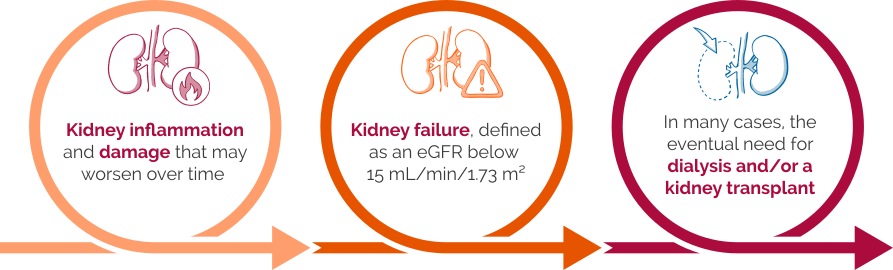
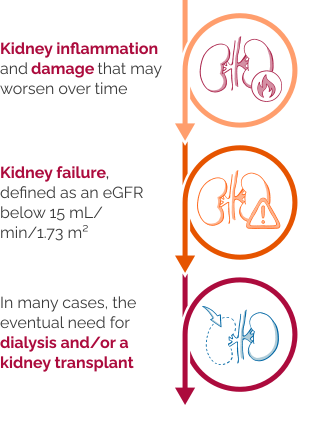
These rare kidney diseases can affect both children and adults, leading to serious kidney damage and impacting how the kidneys work.
Because these diseases can begin earlier in life for some people, their effects may build over time.
For many people, this damage can continue to progress, even when symptoms change or aren’t always obvious.


C3G and primary IC-MPGN by the numbers
Living with C3G or primary IC-MPGN can feel like being one in a million, because in many ways, it is.
These diseases are extremely rare

These diseases can have a serious impact on your kidney health
of people experienced kidney failure
Eventually, some people need a kidney transplant
of people received a kidney transplant
They are often diagnosed early in life
are diagnosed before adulthood
childhood
A kidney transplant is not a cure
Understanding the facts is a powerful first step
Don’t wait to ask questions—talk to your doctor


Confirming a C3G or primary IC-MPGN diagnosis
To understand how your kidneys are functioning and if they are impacted by C3G or primary IC-MPGN, your doctor will order tests for:
ProteinuriaHigh levels of protein in the urine that is detected through a urine test (dipstick test and/or urinalysis).Proteinuria
High levels of protein in the urine
Urine testing
eGFRA measurement of how well your kidneys are filtering waste from your blood. It calculates this based on your blood creatinine levels, age, and gender.eGFR
How well your kidneys are functioning
Blood testing
Additional tests
Tests for levels of C3 in the blood
Genetic testingA blood test that involves analyzing a person’s DNA to identify changes or mutations in genes, chromosomes, or proteins. Genetic testing and Immunological testingA blood test that evaluates the functioning of the immune system by measuring the levels and activity of immune components, such as antibodies, complement proteins, or immune cells. immunological testing

Getting a definitive diagnosis
To confirm a diagnosis of C3G or primary IC-MPGN, your doctor will perform a Kidney biopsyA medical procedure in which a small sample of kidney tissue is removed and examined under a microscope or other imaging tools to diagnose or monitor kidney diseases. kidney biopsy to check for a buildup of C3 fragments and ImmunoglobulinProteins made by your immune system; they are also called "antibodies." Their job is to help protect your body by recognizing and fighting off germs like bacteria and viruses.immunoglobulin deposits in kidney tissue as shown through imaging (known as staining)
What causes C3G and primary IC-MPGN?
The important role of your kidneys


How part of your immune system causes C3G and primary IC-MPGN

The Complement systemPart of the immune system made up of a network of proteins that work together to help protect the body from infections, clear out old or damaged cells, and promote inflammation to heal injuries. complement system is a part of your immune system that is always ready to respond and helps protect your body.
It works through a network of proteins that activate one another in a chain reaction to:
- Fight infections
- Clear out damaged cells
- Promote inflammation to heal injuries

The complement system helps protect your body, but in C3G and primary IC-MPGN, it becomes overactivated and can damage the kidneys
The C3 proteinA protein that plays a central role in the complement system. When the complement system becomes overactive, excessive breakdown of C3 results in inflammation and a buildup of C3 fragments in the kidneys. C3 protein plays an important role in the body’s immune system. When the system becomes overactive, too much C3 breaks down into fragments that can build up in the kidneys.
- Some fragments build up in the kidneys and cause damage
- Others trigger inflammation
Both types of fragments result in C3G and primary IC-MPGN symptoms.
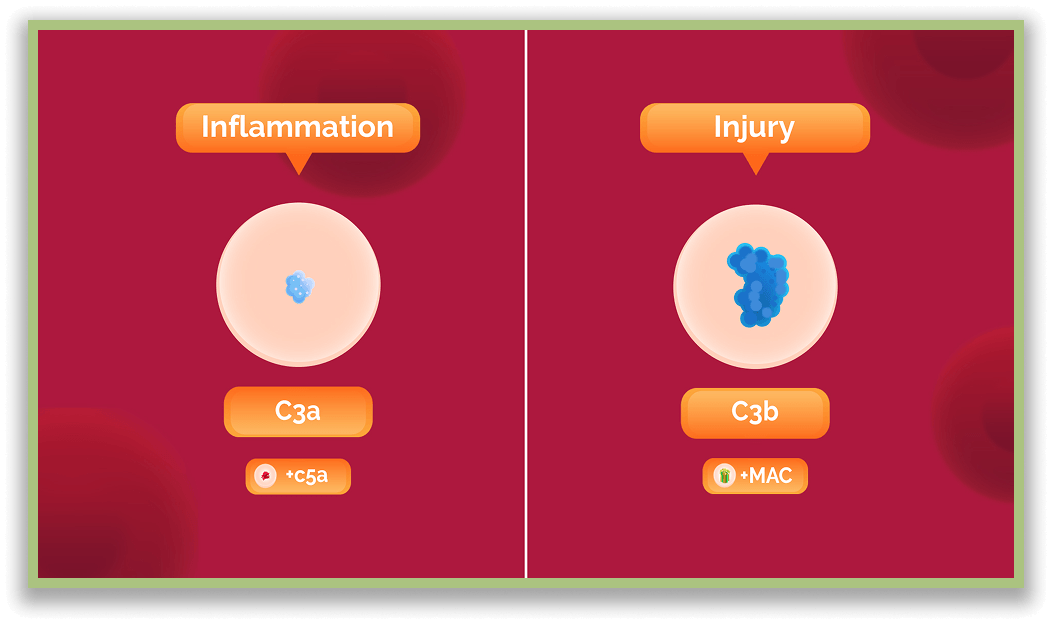
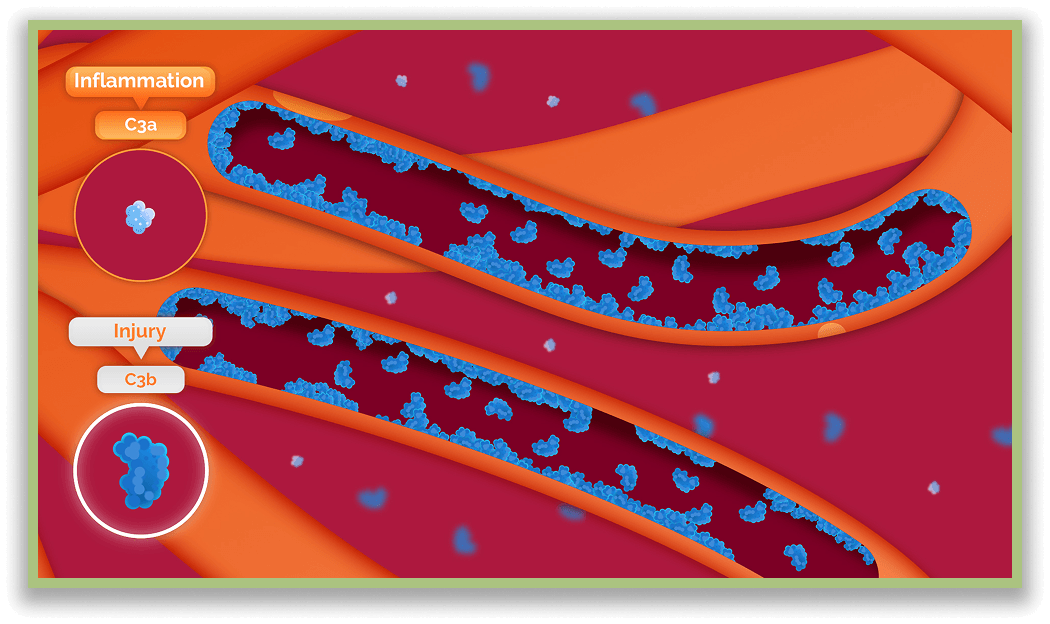
Watch the video below to see how the complement system works and can be affected by overactivation:
As the complement system stays overactivated in C3G and primary IC-MPGN, it has a gradual, worsening effect on your kidneys